The Risks of Dropshipping and How to Start as a Beginner
G
GnurtFull-stack developer
8 min read
In this article
You already know what dropshipping is, you’ve run the numbers on one order, and you’ve seen the margin is far thinner than the ads promise. But you still want to try. This is where people make their most expensive mistakes: they open a store, list a few dozen products, start paying for ads right away, and only then discover that delivery takes three weeks, the supplier runs out of stock mid-campaign, and customers start asking for refunds.
This article continues What Is Dropshipping? How It Works, Real Costs, and How It Differs from Affiliates. If you haven’t read that one, read it first, because the sections below reuse its five steps of an order and its cost table. In this article, we’ll go through the risks a dropshipping seller still has to carry, the order to start in so you learn the most while losing the least money, and who should or shouldn’t try it.
Quick summary
Most of the risk comes from packing and shipping being in the supplier’s hands, while customers only know you.
Start with a narrow niche, order samples, and set a test budget you’re willing to lose, before you scale up.
The Real Risks of Dropshipping
A quick recap: in the five steps of a dropshipping order, you control listing products, taking payment, and after-sales care. Buying from the supplier, packing, and shipping are in someone else’s hands. Those are also the two steps that decide whether customers are happy, and most of the risks below start from that distance.
You’re Responsible for Products You’ve Never Seen
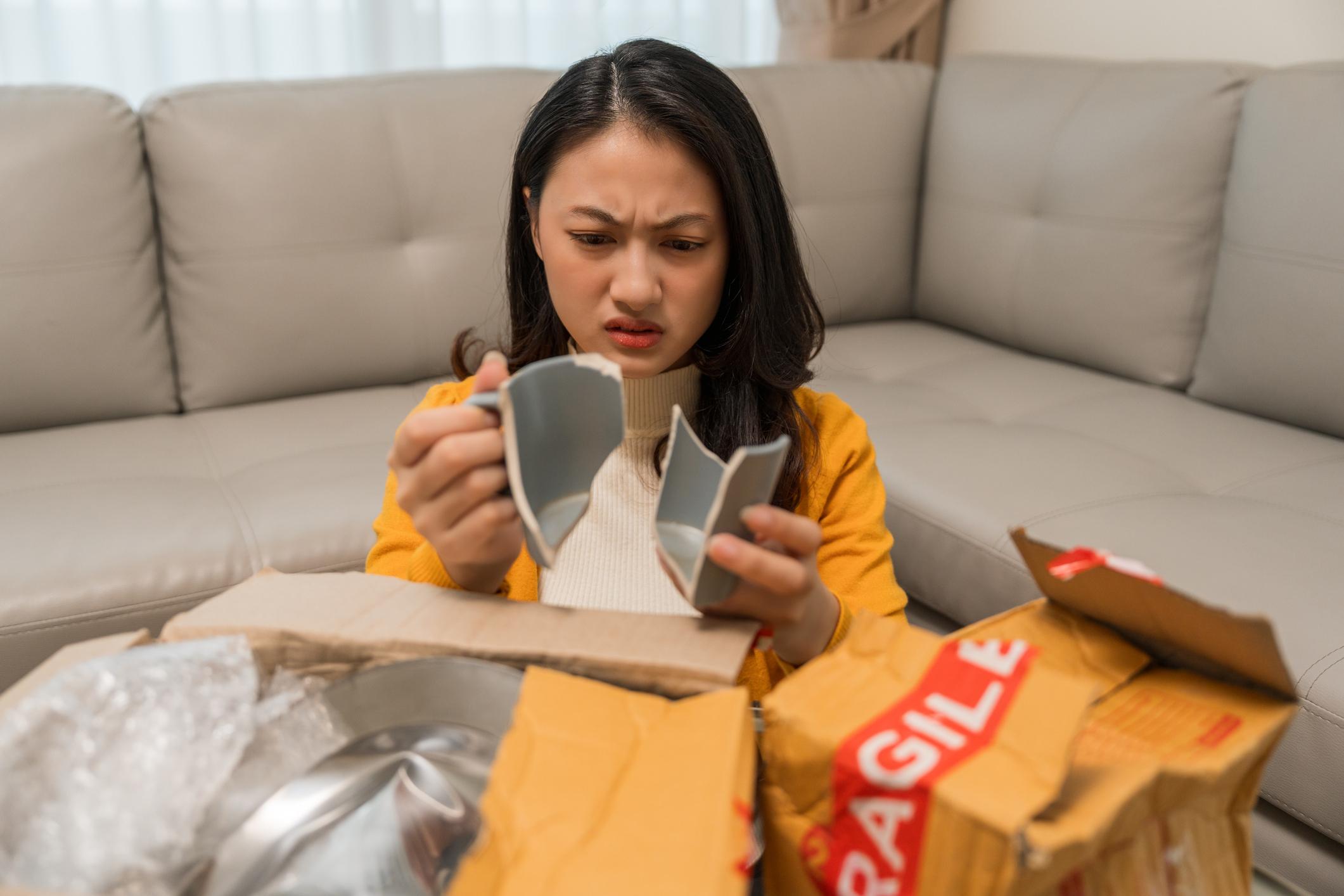
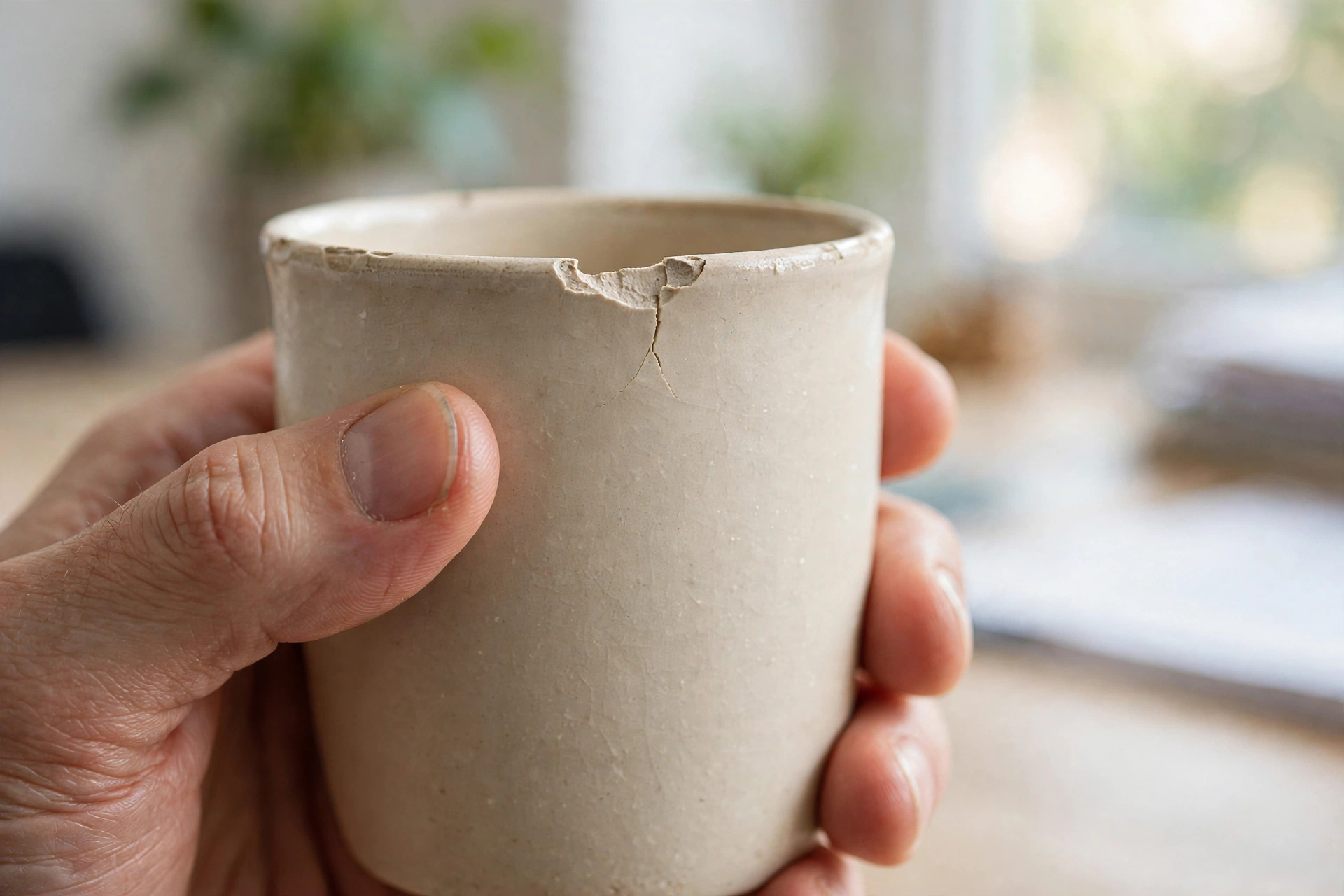
When a customer receives an item that looks different from the photo, is scratched, or is missing an accessory, they don’t know who the supplier is. They only know your store. One-star reviews, refund requests, and payment disputes all land on you. That’s why ordering samples isn’t an optional step: if you haven’t held the product in your hands, you’re selling someone else’s promise under your name.
A ceramic mug arrived with a chipped rim — a small defect like this is enough to earn you a one-star review and a refund request.
Inventory Changes Without You Knowing
The supplier sells to many people at once. A very common situation: your ads work well, orders come in steadily, then the supplier reports they’re out of stock after you’ve already taken customers’ money. Then you have only two options: refund and lose the customer, or find another source in a hurry at a higher price. Inventory-sync apps reduce this risk, but they don’t remove it, because the data is only as accurate as the supplier’s updates.
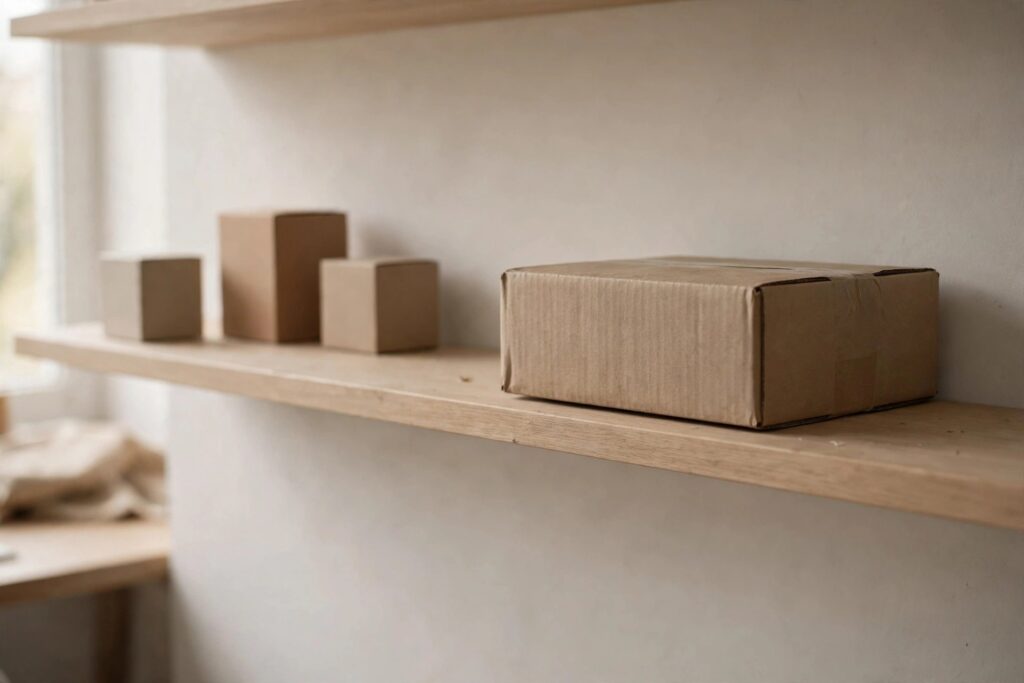
An empty shelf because the supplier ran out of stock right in the middle of a working ad campaign.
Returns Are More Complicated Than You Think
When a customer wants to return an item, where does it go back to? If the supplier is abroad, return shipping can cost more than the item itself, and many sellers just refund without taking the product back. If you use several suppliers for one order, each item can arrive on a different day and under a different return policy. Read the supplier’s return policy before you write your store’s own, so you don’t promise customers something the supplier won’t do.
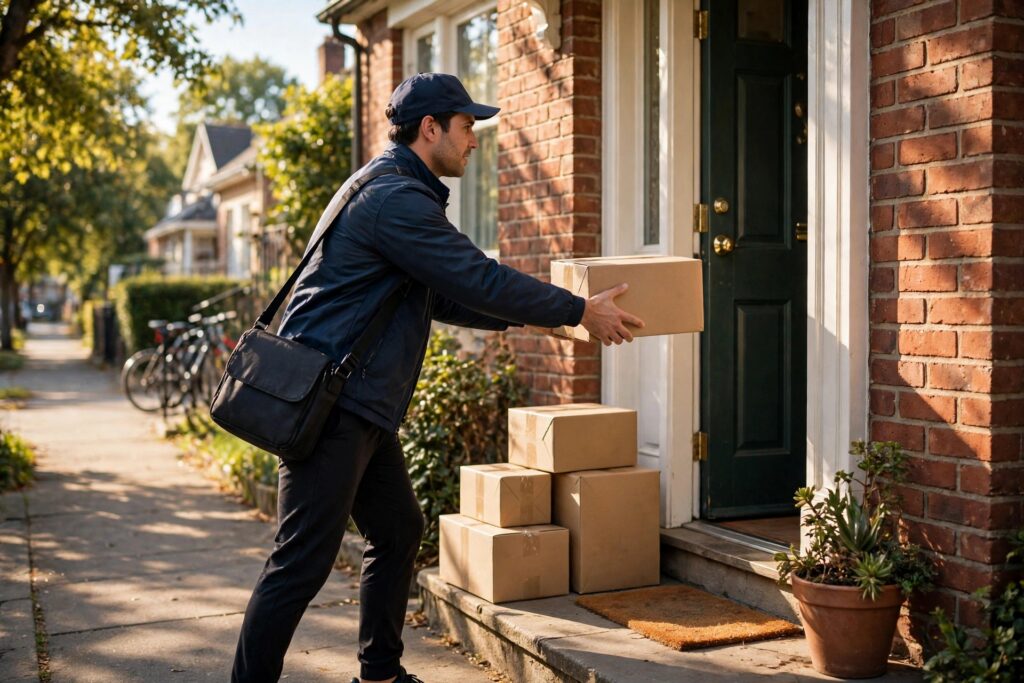
Returned goods have to go back to the supplier’s warehouse — if the supplier is abroad, return shipping can cost more than the item itself.
Competing on Price and Depending on Ads
Since anyone can get the same product from the same supplier, the barrier for a competitor to sell exactly what you sell is almost zero. When a product starts selling well, someone will sell it a few dollars cheaper than you. If you only compete on price, the already-thin margin disappears. Stores that last usually give customers another reason to choose them: a narrow niche, their own photos and content, better customer care.
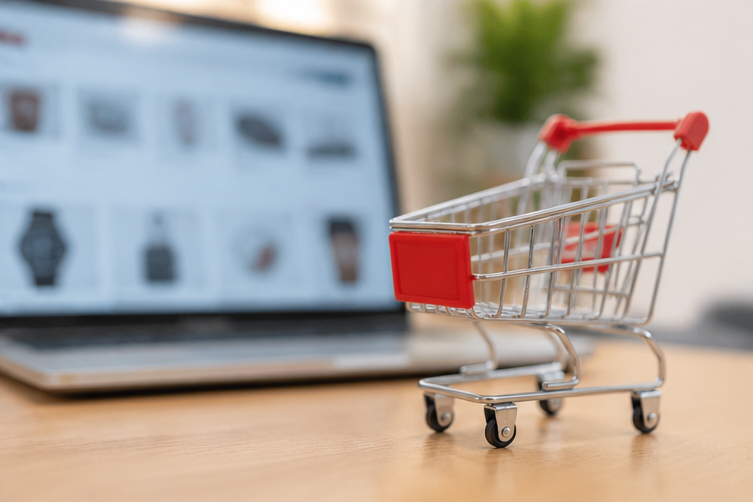
The same product from the same supplier — a competitor only needs to sell it a few dollars cheaper.
Breaking a Marketplace or Platform’s Rules
Each marketplace has its own rules about dropshipping, and a method allowed in one place can be banned in another. For example, eBay allows sourcing directly from a wholesale supplier, but bans buying from another retailer or marketplace and having them ship straight to your customer; violations can get products removed, accounts restricted, or accounts banned. Losing a selling account is the heaviest risk, because it wipes out your review history and the customers you’ve built up.
Starting Dropshipping as a Beginner: In What Order?
If you’ve weighed the risks above and still want to try, here is the order I’d recommend. The goal is to learn the most with the least money lost.
Pick a narrow niche you understand the buyers of. “Accessories for long-distance runners” is easier to work with than “sports gear”, because you know who the customers are, what they need, and where to advertise. Understanding buyers helps you write better descriptions and pick better products than competitors who just chase what’s trending.
Find 2–3 suppliers for the same product and compare them. Beyond price, ask about order processing time, delivery time to your customers’ area, the return policy, and whether they support packaging without the supplier’s name on it. A supplier who replies slowly while you’re still asking about prices will usually be even slower when you have an order problem.
Order samples to your own address. You can check quality, packaging, and actual delivery time. According to Shopify, samples usually cost around $50–100 including shipping. Photos of your samples are also your own images, different from the photos every other store is sharing.
Order samples before you sell, so you can check quality, packaging, and actual delivery time.
Choose a sales channel that fits your budget. With a small ad budget, start on a marketplace that already has buyers (and remember to read that marketplace’s dropshipping policy). If you want to build a long-term brand, set up your own website, but be ready to pay for ads.
Write your shipping and return policies clearly before you sell. State the actual delivery time you measured in step 3, not what the supplier promised. Customers accept a long wait when they’re told in advance, but rarely accept waiting longer than promised.
Run a test with a budget you’re willing to lose. Set a number and a deadline in advance, track your ad cost per order, and compare it with the gap between your selling price and your buying price. If the cost per order is still higher than that gap after a few adjustments, switch products instead of raising your budget.
Tip: Make a spreadsheet following the same rows as the one-order cost table and update it with real numbers every week. Most beginners only look at revenue, while the number that decides survival is the “left over” line after advertising and refunds.
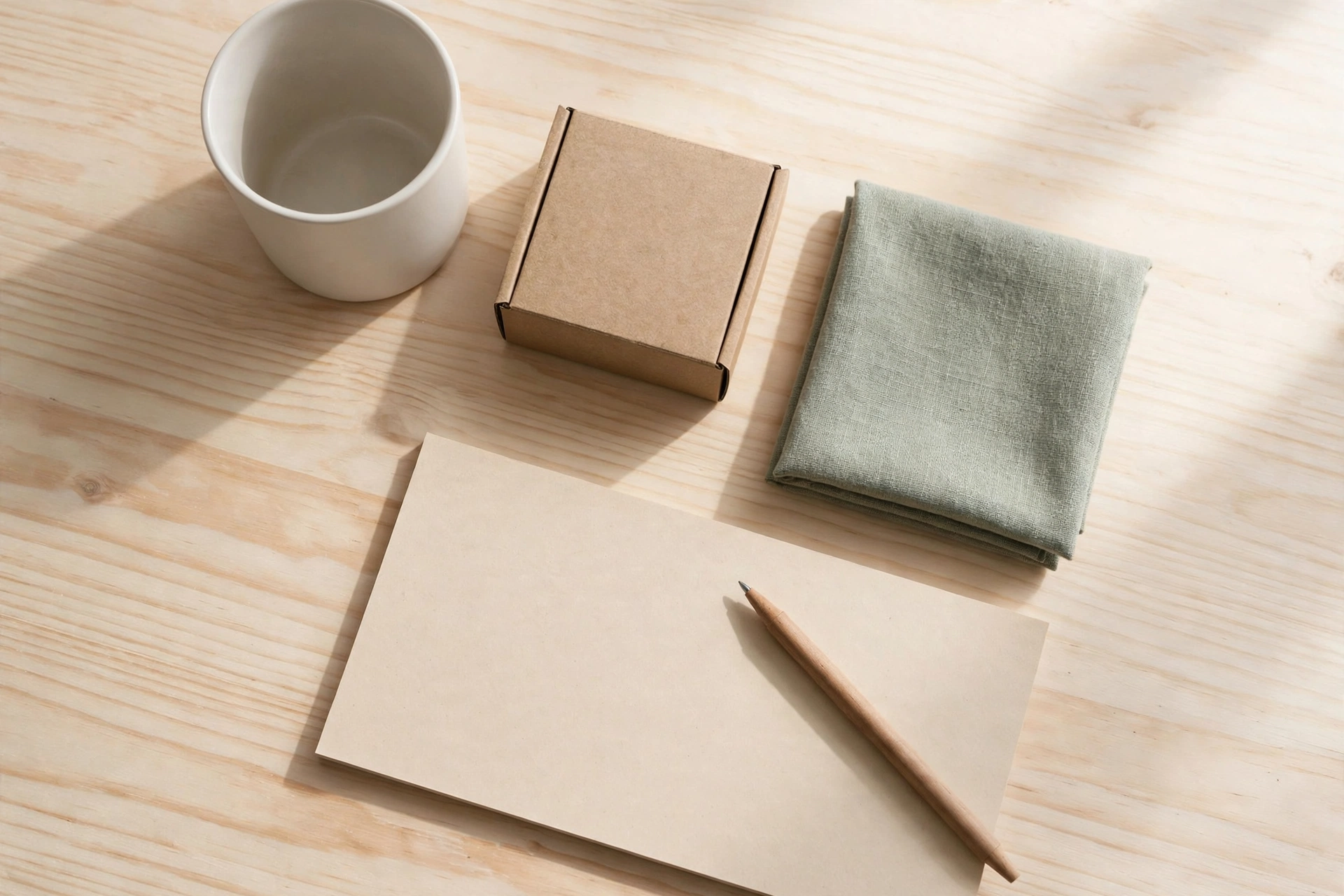
Make a spreadsheet following the same rows as the one-order cost table and update it with real numbers every week.
Who Should and Shouldn’t Do Dropshipping?
Dropshipping suits you if you want to learn how a real online store works (choosing products, running ads, caring for customers) without holding inventory, you have a test budget you’re ready to lose, and you accept that the first few months may bring no profit. It also fits when you’re already selling self-stocked goods and want to test new products before deciding to order in bulk.
On the other hand, don’t start if you’re looking for fast passive income, if the money you plan to spend is money you’re not allowed to lose, or if you don’t have time to answer customers every day. In those cases, dropshipping will almost certainly become a tuition fee that teaches you nothing.
If you decide to try, do step 3 in the list above first: pick one product, order a sample, and experience waiting for delivery like a customer. That experience will tell you whether this product is worth putting your store’s name on.
Frequently Asked Questions
How much money do you need to start dropshipping?
There’s no single number, because most of the cost is advertising and depends on the product and the channel. At minimum you need money for samples (Shopify estimates around $50–100 per sample including shipping), platform or marketplace fees, and a test ad budget you’re willing to lose.
Should you sell dropshipping on a marketplace or your own website?
With a small ad budget and wanting orders soon, start on a marketplace, because it already has buyers. If you want to build a brand and keep customer data long-term, run your own website, but you’ll have to pay to bring customers in.
How do you reduce the risk of faulty products in dropshipping?
Order samples before you sell, choose a supplier with a clear return policy, and keep a backup supplier ready for your main product. State delivery times and return policies exactly as the supplier actually performs them.
You’ve probably scrolled past a video like this: “sell online with no capital, no warehouse, a few thousand dollars a month.” The person in the video opens a store, lists a few products from a supplier, runs some ads, and orders keep coming in while they never touch a single item. It sounds great. But when...
If you are wondering what is SEO and GEO, here is the simplest explanation: SEO is how you optimise a website so it appears high in search results pages such as Google. GEO is how you optimise content so AI systems such as AI Overviews, ChatGPT or Perplexity choose it as a cited source when answering...
Quick answer A backlink is a link from another website pointing to your website. Google treats each backlink like a recommendation: if a reputable, topically relevant page links to you, that is a signal that your content is worth referencing. But not all backlinks are equal. A good backlink can help Google discover a new page...

Comments
You can use your Google account to comment. Google only shares your verified name and email address to display your name. You can log out at any time.
Sign in with GoogleNo comments yet. Be the first!