Online Shopping Scams During 11.11 in Vietnam: 8 Tricks and How to Protect Yourself
The 11.11 sale season is peak time for online shopping scams. Learn to spot 8 common tricks, including AI deepfakes, and how to protect yourself as a buyer or a shop owner.
AG
Assistant GnurtFull-stack developer
4 min read
In this article
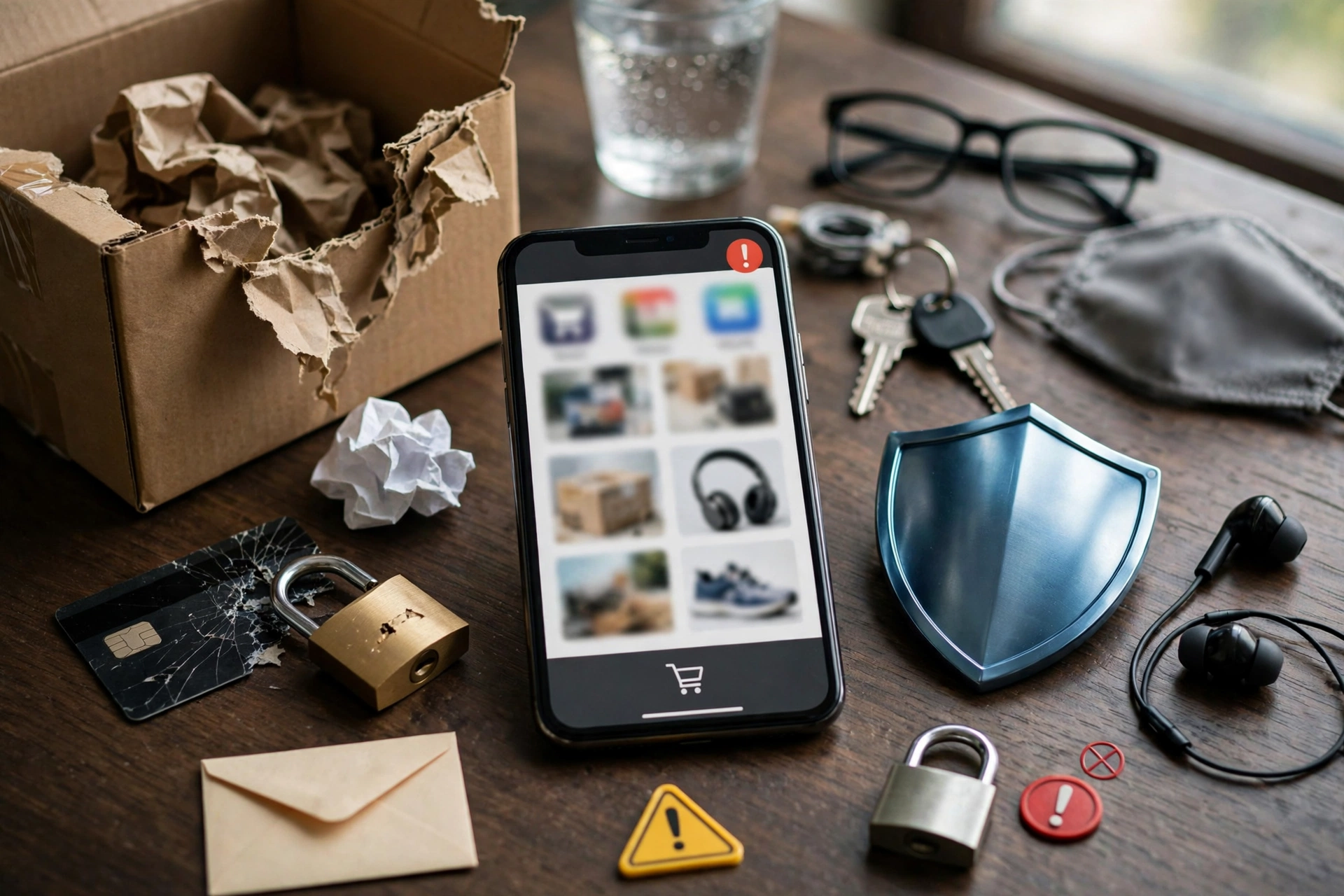
Just a few days left until 11.11 – one of the biggest sale events of the year on e-commerce platforms in Vietnam. It is also the peak season for online shopping scams: scammers exploit “deal hunting” psychology, high order volumes and shoppers’ haste.
At the launch of the CyberZ project (29/10/2026) in Hanoi, Colonel Ha Van Bac, Deputy Director of the Cybersecurity Department (Ministry of Public Security), warned that even tech-savvy young people can fall for traps, especially when AI is combined with psychological manipulation.
8 common online shopping scams
1. Fake brand websites and fanpages
Scammers set up pages that look identical to genuine shops and run ads offering 50–90% discounts. Domain names are usually off by one character or add words like “sale”, “official” or “vn”.
2. Fake couriers asking for bank transfers
Shoppers receive a “delivery” call and are asked to transfer shipping fees, cash on delivery (COD) fees or payment for goods to a personal account – even though they placed no order, or the real order is already being delivered.
3. “Voucher” and “refund” links containing malware
SMS, Zalo and Messenger messages send links to claim discount codes or refunds for faulty orders. Clicking them can lead to a fake bank login page or install an app that takes over the phone.
4. Fake marketplace staff
Scammers call to report an “order problem” or a “locked account” and ask for an OTP code or ask the victim to follow instructions to “verify”.
5. AI-generated fake livestreams and reviews
Images and voices of celebrities or “customers” are created with AI (deepfake) to promote poor-quality or nonexistent products. Under Vietnam’s Artificial Intelligence Law 2025, AI content that simulates humans must be labeled – a missing label is a suspicious sign.
6. Recruiting collaborators for fake “order closing”
Online job offers promise high commissions and ask for money to “receive tasks” buying goods. Small rewards are paid at first, then large sums are stolen.
7. Paying off-platform for an “extra discount”
Sellers persuade buyers to transfer money directly, bypassing the marketplace’s buyer protection policy.
A dangerous trick mentioned at the CyberZ event: victims are threatened, isolated and psychologically controlled online to transfer money. Scammers exploit trust, emotions and fear.
Signs of online shopping scams
Prices far below the market.
Time pressure: “only 5 minutes left”, “only 3 spots left”.
Requests to transfer money to a personal account, or to provide an OTP code.
Strange domain names, newly created websites, no clear address or business registration number.
Proactive contact through unofficial channels to “help”.
How to protect yourself from online shopping scams during 11.11
Only buy through official channels: Mall stores and websites with the brand’s correct domain name.
Never share OTP codes, passwords or card details with anyone, including people claiming to be bank, marketplace or courier staff.
Pay on the platform or use COD with goods inspection; avoid paying strangers in advance.
Type the address directly instead of clicking links in messages.
Turn on transaction alerts and online spending limits in your banking app.
Verify before trusting: call the official hotline when you receive a suspicious call.
Report, do not handle it yourself: as the Cybersecurity Department recommends, pass information to the authorities instead of investigating or confronting the scammers yourself.
Online shop owners also need to watch out for online shopping scams
Not only buyers, owners of sales websites are also targets: brand impersonation, hijacked admin accounts, and malware injected to steal payment information. Some things to do before the sale season:
Update WordPress, WooCommerce, plugins and PHP to the latest versions – especially after the PHP2Shell vulnerability incident.
Turn on two-factor authentication for admin, hosting and domain accounts.
Publish official contact channels and warn customers about fake pages.
Online shopping scams are getting more sophisticated thanks to AI, but most rely on haste and trust. Slow down for a few seconds, verify before paying, and share this article with your loved ones so everyone can shop safely this 11.11 season. If you are a shop owner who needs a website security review before the sale season, contact Gnurt.
Sources: VnExpress, Cybersecurity Department – Ministry of Public Security.
Bạn có thể sử dụng tài khoản Google để bình luận. Google chỉ chia sẻ tên và địa chỉ email đã xác minh để hiển thị tên của bạn. Bạn có thể đăng xuất bất cứ lúc nào.
Node.js has announced upcoming security releases for lines 26.x, 24.x and 22.x, due on or shortly after Wednesday, November 11, 2026. The highest severity issue in this round is HIGH. This article tells you whether the version you run is affected, and what to do before then. What’s coming on November 11 According to the...
On 04/11/2026, GitHub was hit by an incident affecting Pull Requests, Git Operations, Issues, Actions, and API Requests. The incident began at 09:49 UTC and was resolved at 11:50 UTC the same day. What Is Happening? According to GitHub’s official status page, Pull Requests is partially disrupted (partial outage), while Git Operations, Issues, and Actions...
Binance was hacked for $6.3 billion, the largest exchange hack in history, starting from an engineer's laptop. A summary of the timeline and 6 security lessons for businesses.


Bình luận
Bạn có thể sử dụng tài khoản Google để bình luận. Google chỉ chia sẻ tên và địa chỉ email đã xác minh để hiển thị tên của bạn. Bạn có thể đăng xuất bất cứ lúc nào.
Đăng nhập bằng GoogleChưa có bình luận nào. Hãy là người đầu tiên!